Transform Your Home: The Ultimate Guide to Hardwood Floor Refinishing for Stunning Results
Hardwood floor refinishing can greatly enhance a home's visual appeal and market value. It involves assessing the floor's condition, selecting appropriate tools, and choosing the correct finish. Numerous homeowners overlook crucial steps, leading to unsatisfactory results. Understanding the refinishing process is vital. What are the common errors to avoid? And when should one consider professional assistance help? These questions are fundamental to achieving exceptional results.
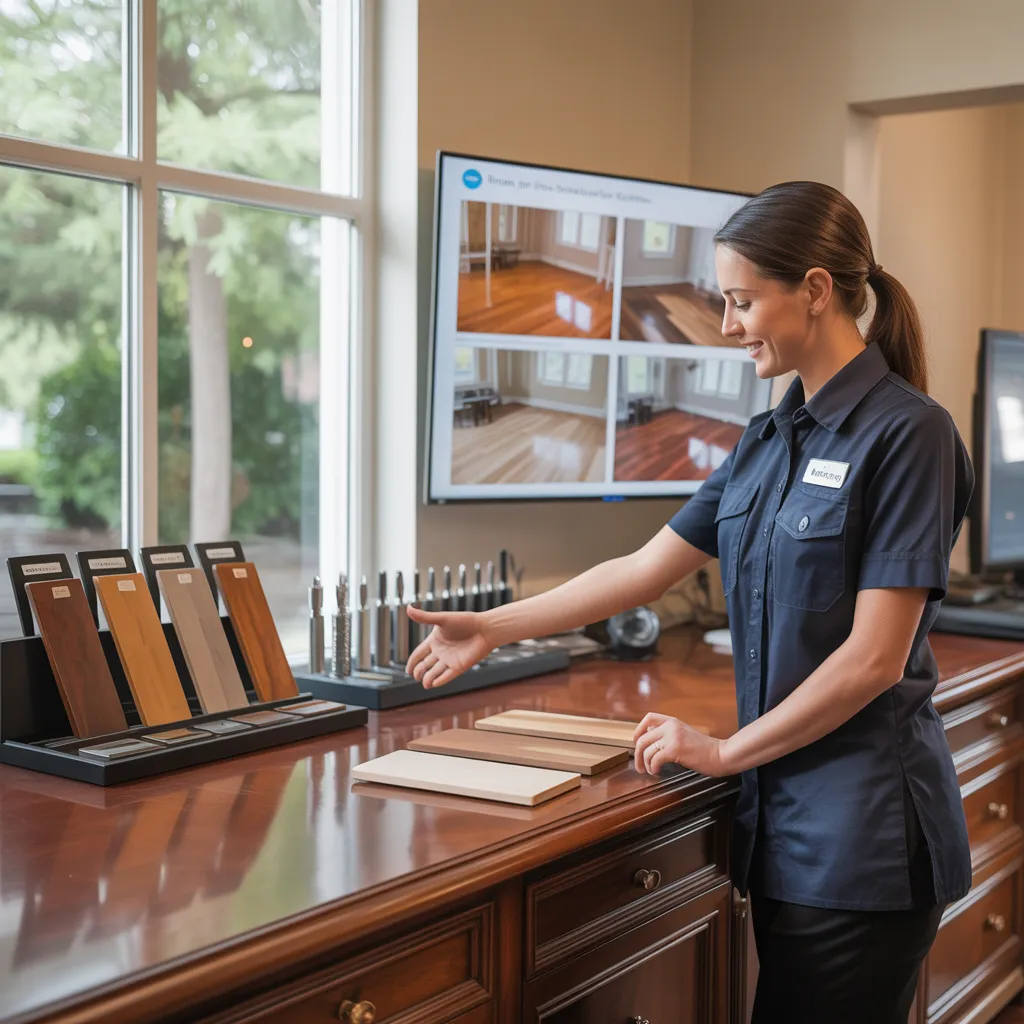
How to Evaluate Your Hardwood Floor's Condition: Is Refinishing the Right Choice for You?
What methods can be used to determine if a hardwood floor requires refinishing? Begin by inspecting the surface for signs of wear, scratches, or color changes. A dull finish or diminished wood luster may signal that refinishing is necessary. Additionally, assess the scratch depth; if they breach the finish layer without affecting the wood, refinishing may restore the original appearance.
In addition, checking for signs of water damage or warping is crucial, as these issues could necessitate more than just refinishing. One can additionally perform the water test: placing a few drops of water on the floor to see if it beads up or soaks in. If it absorbs, the finish is likely deteriorated. In conclusion, evaluating the thickness of the wood layer is essential; if there is enough material, refinishing can be a practical option.
Why Hardwood Floor Refinishing Matters: Key Benefits
While several homeowners might disregard the importance of hardwood floor refinishing, its rewards are significant and far-reaching. Refinishing not only elevates the appearance of wood floors but also prolongs their lifespan markedly. By eliminating scratches, dents, and discoloration, refinishing restores the floor's original beauty, making it a valuable investment.
Additionally, keeping hardwood floors through refinishing can enhance a home's overall worth, enticing potential buyers. It also promotes healthier indoor air quality by eradicating trapped dust and allergens that build up in worn surfaces.
Additionally, refinishing presents an opportunity to update the floor's finish, allowing homeowners to pick a shade that complements their décor. The process is sustainable, as it rejuvenates existing materials in place of requiring new wood. Ultimately, hardwood floor refinishing is critical for safeguarding both the functionality and visual appeal of wood flooring, making it a worthwhile endeavor for any homeowner.
Which Tools and Materials Do You Need to Refinish Your Floors?
Hardwood floor refinishing demands a particular set of tools and materials to guarantee a successful outcome. A comprehensive checklist of required items, coupled with an overview of vital tools, will simplify the process. Additionally, focusing on safety equipment is vital to protect oneself during the refinishing project.
Main Tools Synopsis
A well-executed hardwood floor refinishing project depends on having the right tools and materials at hand. Essential tools include a drum sander, which effectively removes the old finish, and an edge sander for those difficult-to-access areas. A vacuum with a fine dust filter is vital for eliminating dust between sanding sessions. Additionally, a buffer helps achieve a smooth surface before applying a new finish. For safety, protective goggles, a dust mask, and knee pads are necessary. A roller and brush will be necessary for the application of the finish. Additionally, a tape measure and straight edge assist in planning and measuring the workspace precisely. Having these tools ready guarantees a smoother refinishing process and better results.
Needed Materials List
Finishing a hardwood floor refinishing project demands not only the right tools but also a particular set of materials to ensure a professional finish. Necessary items include wood stain, polyurethane finish, and a sealer to safeguard the surface. Sandpaper in multiple grits is essential for achieving a smooth base, while a floor buffer or sanding machine aids in the refinishing process. A paintbrush and roller assist in applying the finish evenly. Additionally, a vacuum and tack cloth are vital for removing dust and debris before and after sanding. Lastly, having a drop cloth on hand protects surrounding areas from spills and splatters. This checklist provides a smooth and successful refinishing experience for any homeowner.
Safety Equipment Importance
While focusing on the aesthetics of hardwood floor refinishing, one must not disregard the importance of safety equipment. Proper safety gear shields workers from potential hazards related to refinishing projects. Essential items include safety goggles to shield the eyes from dust and debris, a dust mask or respirator to filter harmful particles, and ear protection to reduce noise exposure from sanding machines. Additionally, using knee pads can deliver comfort during lengthy sessions of kneeling. Heavy-duty gloves guard hands from chemical exposure while applying finishes. Closed-toe shoes with slip-resistant soles are also essential for stability and protection. By outfitting yourself with the right safety equipment, one can achieve a safer and more efficient refinishing process, ultimately resulting in stunning results.
Comprehensive Guide to Refinishing Your Hardwood Floors
Renewing hardwood floors can restore vitality to weary surfaces, elevating both their aesthetic and resilience. The approach starts with complete preparation, involving removing furniture and cleaning the surface. Next, one should inspect the floors for imperfections and make required repairs. Afterward, sanding the floors is vital; using a drum sander, one can strip away the old finish and smooth out blemishes. After sanding, one must vacuum the dust and wipe the surface with a damp cloth to guarantee a clean base for the new finish.
After the surface has been properly prepared, applying stain helps add depth and richness to the wood, if desired. Following the staining process, the finish can be applied evenly, using either a brush or roller. It's essential to ensure adequate drying time between coats, typically two to three coats for ideal protection. Finally, letting the floors to cure for several days delivers a stunning, long-lasting result.
How to Pick Between Oil-Based and Water-Based Finishes?
Which finish is best for hardwood floors—oil-based or water-based? The selection primarily relies on personal preferences and specific needs. Oil-based finishes are known for their durability and rich amber hue, offering enhanced color richness. They usually feature a lengthier curing time and more intense fumes during application, which may be a consideration for some homeowners. In contrast, water-based finishes cure rapidly, enabling speedier completion of projects. They release less volatile organic compounds (VOCs), making them a safer alternative for indoor air quality. However, water-based finishes may not reach the same color richness as oil-based alternatives. Additionally, water-based products are more convenient to clean, requiring only soap and water. In the end, the decision should consider the intended appearance, project timeline, and ecological factors, ensuring the chosen finish aligns with the homeowner's goals for their hardwood floors.
Common Pitfalls to Avoid While Refinishing Hardwood Floors
Picking the right finish for hardwood floors is just one element of the refinishing process. Many homeowners often make typical mistakes that can significantly impact the results. One widespread error is neglecting proper preparation. Failing to clean the floors thoroughly or skipping sanding can lead to uneven surfaces and poor adhesion of the finish. Furthermore, applying an excessively thick a coat can result in an unsightly, sticky surface that takes extended time to dry.
Another mistake is overlooking the importance of temperature and humidity. Working in harsh environmental conditions can influence the finish's curing process. Homeowners may also miscalculate the drying time between coats, causing rushed applications and potential damage. Finally, not using the right tools, such as a quality buffer or applicator, can diminish the final appearance. By steering clear of these pitfalls, residents can obtain a beautiful and durable hardwood floor finish that enhances their home's aesthetic.

When to Engage a Professional for Your Refinishing Project
Hiring a professional for hardwood floor refinishing can be crucial when a project necessitates specialized expertise and knowledge that the average homeowner may be without. Moreover, the time and effort needed for a successful refinishing job can be considerable, making professional assistance an appealing option. Understanding these factors can help homeowners make educated decisions about their refinishing projects.
Necessary Experience and Expertise
Numerous property owners might underestimate the complexity of hardwood floor refinishing, creating a common dilemma: when to contact a professional. Refinishing necessitates not only technical skills but also a profound understanding of wood types, finishes, and tools. Homeowners without experience may struggle with preparation, sanding techniques, and applying finishes evenly. Mistakes can result in costly damage and unsatisfactory results.
Skilled professionals offer years of skill, providing a high-quality finish that enhances the property's aesthetic appeal. They can also handle challenges such as things like existing damage or unique flooring patterns. Ultimately, knowing one's limitations and the importance of professional knowledge can make a major difference in achieving stunning results in hardwood floor refinishing.
Considerations for Time and Effort
Examining the time and effort needed for hardwood floor refinishing can considerably influence the decision to hire a professional. Refinishing commonly involves various steps, including sanding, staining, and sealing, each demanding considerable time and physical labor. For homeowners with restricted experience or those juggling other responsibilities, the process may become overwhelming. Furthermore, the need for specialized equipment can further complicate DIY endeavors. If a homeowner lacks the required skills or time, hiring a professional may be the most efficient choice. Professionals not only streamline the process but also guarantee high-quality results, decreasing the risk of costly mistakes. Ultimately, a careful assessment of personal capabilities and available time will guide the decision on whether to engage a professional for the project.
Common Questions
How Much Time Does Hardwood Floor Refinishing Usually Take?
Refinishing hardwood floors typically requires between three to five days, determined by the size of the area and the complexity of the project. This time frame includes all sanding, staining, and finishing steps for optimal outcomes.
Is It Possible to Remain in My House During the Refinishing Work?
Normally, homeowners cannot occupy their properties during the refinishing procedure owing to fumes, dust, and safety issues. It's expert advice advisable to secure a temporary place to stay until the floor surfaces are totally dry and safe for habitation.
What's the Price Range for Hardwood Floor Refinishing?
The price range for refinishing hardwood floors typically spans between $3 to $8 per square foot. Variables determining the price include the state of the flooring, the type of finish preferred, and area labor costs.
How Often Should I Refinish My Hardwood Floors?
Refinishing hardwood floors is typically needed every 7 to 10 years, contingent upon wear and tear conditions. Consistent maintenance and careful monitoring can prolong the finish's lifespan, keeping floors beautiful and long-lasting over the years.
Does Refinishing Remove Deep Scratches and Dents?
The refinishing process effectively reduces the appearance of deep scratches and dents, although results rely on the severity. In some cases, more severe damage may require additional repair methods before refinishing produces a flawless finish.